Check In Before They're Gone: America's Mountain Lodges Are Disappearing Fast
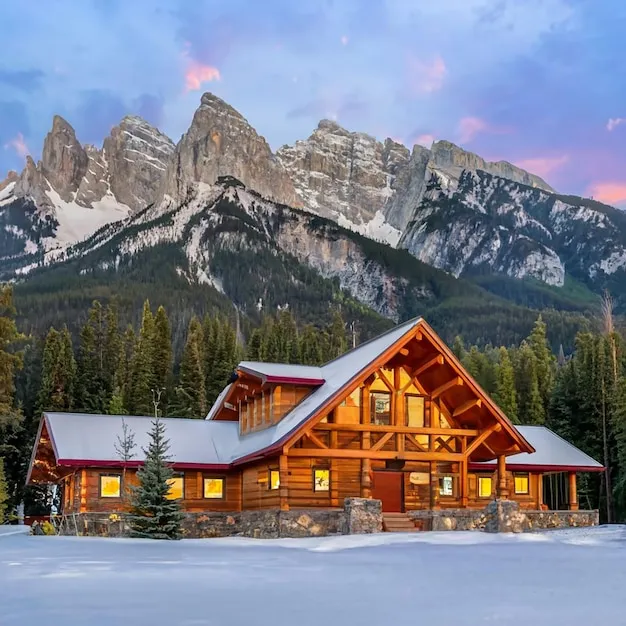
Photo: rustic historic mountain lodge backcountry wilderness snow peaks, via img.freepik.com
There's a particular kind of silence you only find at elevation. Not the muffled quiet of a city at 3 a.m., but something older — the kind that fills the gaps between pines and settles into old timber like memory. Step onto the porch of a backcountry mountain lodge that's been standing for a hundred years, and you'll feel it immediately. The problem is, those porches are rotting out from under us.
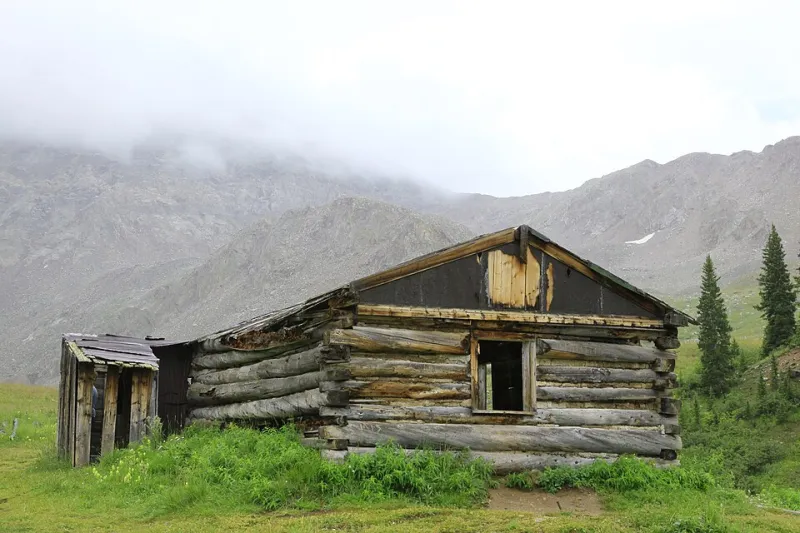
Across the American West and tucked into the ridgelines of the East, a vanishing class of historic mountain retreats is losing its fight with time. Some are closing after generations of family ownership. Others are being quietly reclaimed by the forests that surround them. A few are already gone — reduced to foundation stones and a rusted cast-iron stove that nobody bothered to haul out.
For the adventurers who seek them out, the urgency is real. This is not nostalgia tourism. This is a race.
Why These Places Matter
Historic backcountry lodges aren't just old buildings. They're infrastructure for exploration — waypoints that made deep wilderness travel possible for generations of Americans who didn't have GPS, freeze-dried meals, or ultralight gear. Many were built during the early national park era, some even earlier, constructed by homesteaders, miners, or visionary conservationists who believed that people needed a reason to fall in love with wild places.
"These lodges are the physical link between the conservation movement and the public," says Margaret Holloway, a preservation consultant who has spent the last decade documenting high-elevation historic structures across the Mountain West. "When they disappear, we lose something that can't be rebuilt with a grant or a GoFundMe. The authenticity is gone."
The threats are layered. Climate change has accelerated weather damage, with freeze-thaw cycles chewing through mortar and wood faster than maintenance budgets can keep up. Wildfire risk has made insurance costs prohibitive for many small operators. And the labor economics of remote hospitality — hauling supplies by pack mule or helicopter, maintaining off-grid systems, staffing a property that's snowed in half the year — have never made much financial sense.
What kept these places alive for so long wasn't profit. It was love.
The Owners Who Stayed Too Long (And The Ones Who Couldn't)
Dave Henrikson ran a backcountry lodge in Montana's Bob Marshall Wilderness for 22 years before finally hanging up the keys in 2022. He describes the last few seasons as "beautiful and brutal in equal measure."
"We'd get guests who'd been coming for thirty years," he says. "They'd walk in the door and just start crying. Because they knew. Everyone knew it was ending."
Henrikson's lodge — a cluster of hand-hewn log cabins accessible only by a 14-mile trail — sat empty through last winter. He's in talks with a conservation land trust about the property's future, but nothing is settled. The structures are still sound. The question is whether anyone has the will, and the wallet, to keep them that way.
Not every story ends with a quiet closure. Some lodges are fighting back. The Granite Park Chalet in Glacier National Park, one of the most storied backcountry huts in the country, went through its own near-death experience before a nonprofit stepped in to manage it. Today it's booked weeks in advance every summer — proof that demand exists, if the operational model can be cracked.
The Ones Still Worth the Hike
If you're ready to move fast and travel with intention, these are the mountain lodges still accepting visitors — and still delivering the kind of experience that changes how you think about the outdoors.
Sperry Chalet, Glacier National Park, Montana Rebuilt after the 2017 Sprague Fire, Sperry is a stone-and-timber marvel perched at 6,500 feet above Lake McDonald. The hike in is 6.4 miles and gains 3,300 feet — no joke, no shortcuts. But dinner in that dining hall, with alpenglow painting the peaks outside the windows, is the kind of thing people describe as life-altering. Reservations open months in advance and disappear fast.
Phantom Ranch, Grand Canyon, Arizona Deep in the canyon floor, accessible only by mule or on foot, Phantom Ranch has been hosting weary hikers since 1922. The National Park Service runs it, which means it's relatively well-maintained, but the waitlist for a cabin can stretch more than a year out. The steak dinners are legendary. So is the sheer improbability of the place.
LeConte Lodge, Great Smoky Mountains, Tennessee Sitting at 6,593 feet on the summit of Mount LeConte, this collection of rustic cabins is the highest-elevation lodge in the eastern US. No roads reach it. You earn every night you spend there. The lodge has been operating since 1926, but staffing challenges and infrastructure costs have made its long-term future a topic of ongoing conversation among Appalachian Trail devotees.
Timberline Lodge, Mount Hood, Oregon Built by the New Deal's WPA in the 1930s, Timberline is as much a monument as it is a hotel. The craftsmanship — hand-carved newel posts, mosaic floors, ironwork done by artists who were paid to keep working through the Depression — is staggering. It's more accessible than the others on this list, but it belongs here because the forces threatening it are real: deferred maintenance, climate-driven snowpack changes, and the sheer cost of preserving a National Historic Landmark in an active ski resort environment.
What Preservation Actually Looks Like
It's easy to romanticize these places from a distance. Up close, preservation is unglamorous work — patching roofs, lobbying for funding, fighting with insurance companies, and making hard calls about which structures can be saved and which ones have to come down before they fall down.
Organizations like the National Trust for Historic Preservation and regional land trusts are doing the slow, essential work of keeping some of these properties viable. Volunteer trail crews spend weekends hauling materials to structures that aren't accessible by road. Some lodges have launched membership models, essentially asking loyal guests to invest in the places they love.
As an adventurer, you have more power here than you might think. Showing up matters. Spending money at these properties matters. Leaving reviews, telling your friends, tagging the lodge when you post your summit photo — all of it feeds the economic argument for keeping the lights on.
The Last Window
There's something clarifying about visiting a place that might not exist in ten years. It cuts through the noise of trip planning — the debates over gear and itineraries and which trail has the best views — and leaves you with something simpler: get there, be present, pay attention.
The mountain lodges still standing are not museums. They're living, breathing places where the coffee is hot, the beds are narrow, and the conversation around the dinner table tends to go somewhere real. They exist at the intersection of wilderness and human persistence, and that intersection is getting smaller.
Book the trip. Carry your own weight in. Sign the guestbook when you leave.
Someday, that signature might be all that's left.