Rusted Dreams and Empty Streets: Exploring America's Forgotten Ghost Towns
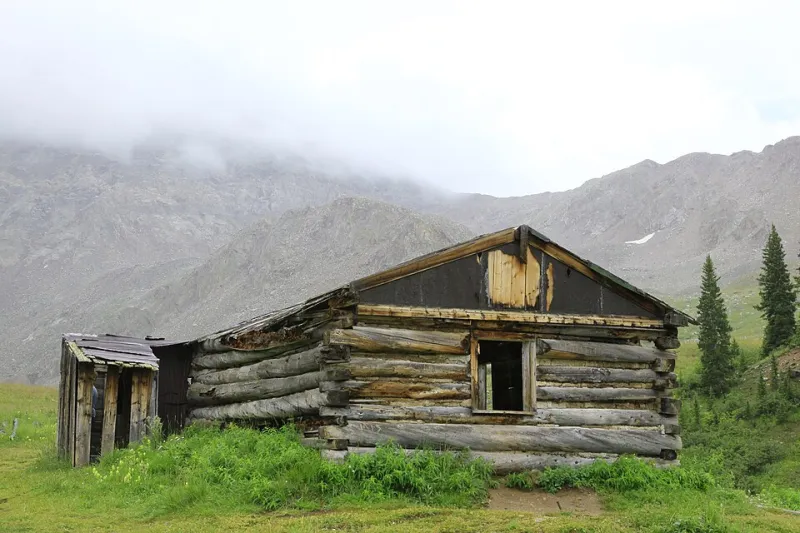
Photo: D&RG Railfan, CC BY 3.0, via Wikimedia Commons
There's a particular kind of silence that only exists inside an abandoned place. Not the quiet of a forest or a mountain summit — something heavier. The kind that makes you feel like you've stepped through a door that wasn't meant to open. America has thousands of these doors, and most people drive right past them without ever knowing.
Ghost towns aren't just scenic backdrops for moody photography. They're living archives — or rather, dying ones — that tell stories no textbook bothers to include. If you're the type of traveler who's always looking for the road less taken, these forgotten settlements might just become your new obsession.
Why Ghost Towns Exist (And Why There Are So Many of Them)
The United States has a complicated relationship with ambition. Throughout the 1800s and early 1900s, communities sprung up almost overnight wherever there was a promise of gold, silver, coal, or timber. Boomtowns were built fast and cheap, designed more for function than longevity. When the mines ran dry or the railroad decided to route elsewhere, entire populations simply packed up and left.
Natural disasters accelerated the process. Floods, fires, and earthquakes wiped out towns that had already been weakened by economic collapse. Others were swallowed by rising reservoirs when dams were built downstream. A few were deliberately abandoned during wartime, their residents relocated and their streets left to the elements.
What remains is a patchwork of American history that stretches from the California coast to the Appalachian foothills — and the stories embedded in those ruins are anything but ordinary.
Reading the Ruins: What Artifacts Actually Tell Us
One of the most rewarding parts of ghost town exploration is learning to read what's left behind. A rusted stove tells you about domestic life. A collapsed storefront with faded signage hints at the economy that once thrived there. Broken medicine bottles recovered from old dump sites reveal what ailments people feared. Even the layout of streets — where the saloon sat relative to the church — reflects the social tensions of frontier communities.
In Bodie, California, arguably the most preserved ghost town in the country, visitors can peer through dusty windows and see dishes still sitting on kitchen tables, as if the family just stepped out for a moment. The state maintains Bodie in a condition of "arrested decay," meaning nothing is restored, but nothing is allowed to collapse further either. It's eerie in the best possible way.
Further east, the ruins of Rhyolite, Nevada, near Death Valley, include the skeletal remains of a three-story bank building and a house constructed entirely from glass bottles — a reminder that frontier creativity was born from necessity.
The Ethical Code of Ghost Town Exploration
Here's where we have to be real with you: ghost town exploration comes with responsibility. The "take only photos, leave only footprints" principle applies here more than almost anywhere else.
Many ghost towns are located on federal or state land, and removing artifacts — even a rusty nail — is illegal under the Archaeological Resources Protection Act. Beyond legality, think about it this way: that broken pocket watch you're tempted to pocket is the only physical proof that a specific human being once stood in that exact spot. Leave it.
Structural safety is another serious consideration. Old buildings can collapse without warning. Floors rot, beams weaken, and mines that look passable are often oxygen-depleted or structurally compromised. Never enter a building that looks unstable, and absolutely never go into an abandoned mine shaft without professional guidance and proper equipment.
Always research land ownership before you go. Some ghost towns sit on private property, and trespassing is both illegal and disrespectful. Many landowners are actually happy to grant access if you simply ask.
Where to Start: Five Ghost Towns Worth the Drive
Bodie, California — The gold standard of American ghost towns. Located at 8,375 feet in the Eastern Sierra, it's remote enough to feel like a genuine discovery but managed well enough to be accessible.
Thurmond, West Virginia — A coal-era railroad town in the New River Gorge area. The Amtrak Cardinal still stops here, but almost no one gets off. The depot and surrounding structures are wonderfully preserved.
Garnet, Montana — Tucked into the mountains east of Missoula, Garnet is one of the best-preserved gold mining towns in the Northwest. Accessible by a rough dirt road that adds to the sense of adventure.
Cahawba, Alabama — Alabama's first state capital, abandoned after repeated flooding from the Alabama River. The ruins sit within a wildlife management area, making the exploration feel genuinely wild.
Cisco, Utah — A Route 6 relic that was once a water stop for steam locomotives. Now it's a surreal stretch of decaying trailers, rusted cars, and collapsing buildings that photographers can't get enough of.
Nature Takes Back What It's Owed
One of the most striking aspects of ghost town exploration is watching how quickly the natural world reclaims human spaces. Juniper trees push through floorboards. Desert vines creep up brick walls. In wetter climates, moss and ferns colonize rooftops within decades.
This reclamation isn't just visually stunning — it's philosophically provocative. We build with the assumption of permanence, but ghost towns remind us that permanence is always borrowed. The frontier families who built Bodie's saloons and Rhyolite's bank probably never imagined their towns would become tourist attractions defined by their absence.
There's something freeing about sitting with that reality. It makes the adventure feel bigger than just sightseeing.
Making Ghost Towns Part of Your Adventure Circuit
The best ghost town trips aren't just single-destination excursions — they work beautifully as connective tissue between bigger adventures. Route a camping trip through the Eastern Sierra and swing by Bodie. Drive the loneliest stretches of Nevada highway and let Rhyolite be your detour. Pair a New River Gorge hiking weekend with an afternoon in Thurmond.
Ghost towns reward the kind of traveler who slows down, looks closely, and isn't afraid to feel a little unsettled. If that sounds like you, start planning. America's forgotten towns have been waiting a long time for someone to notice them again.