Close to Home, Far From Ordinary: Why Your Best Adventure Is Within 100 Miles
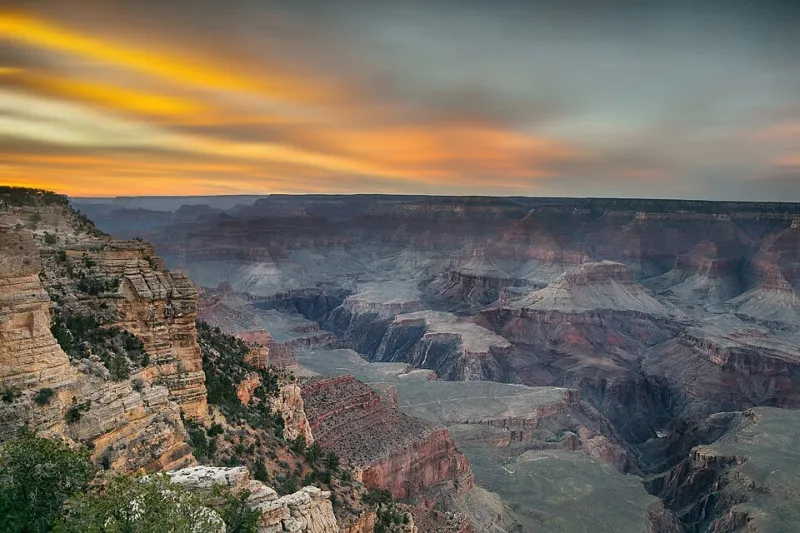
Photo: Lenny K Photography from Sydney, Australia, CC BY 2.0, via Wikimedia Commons
There's a weird pressure in the adventure world that nobody really talks about. You post a trip, and someone always asks, "Where was that?" If the answer isn't Patagonia or the Dolomites or some remote corner of Alaska, you can almost feel the energy shift. Like the adventure didn't quite count.
That pressure is dissolving fast—and honestly, good riddance.
Across the country, a growing wave of outdoor enthusiasts is quietly rejecting the idea that meaningful exploration requires a cross-country flight or a week of PTO. They're calling it the microadventure movement, and it's less of a trend and more of a mindset correction. The core idea is simple: stop waiting for the big trip and start treating your own backyard like the frontier it actually is.
What Counts as a Microadventure?
The label can be misleading. "Micro" doesn't mean mild. It just means local-ish—typically within a two to four-hour drive of wherever you're starting. Everything else is on the table.
We're talking about backcountry skiing on lesser-known peaks that don't show up on ski resort maps. Kayaking through underground cave systems tucked into the limestone hills of Missouri or Tennessee. Bouldering on crags in your state that have maybe a dozen documented ascents. Packrafting flooded river corridors that most people drive over on the highway without a second glance.
The defining quality of a microadventure isn't the distance—it's the intentionality. You're not just going for a hike. You're treating familiar geography like it deserves the same respect and curiosity you'd bring to somewhere exotic. That shift in attitude changes everything about how you move through a landscape.
Why Americans Are Leaning In
A few things are converging to make this moment happen.
First, cost. Adventure travel has gotten genuinely expensive. International flights, gear shipping, guided expedition fees—it adds up fast. A microadventure might cost you gas money and a night in a sleeping bag. That accessibility opens the door for people who want the experience but can't swing the budget.
Second, time. The American work culture doesn't exactly hand out three-week sabbaticals. A long weekend, though? That's workable. And it turns out you can pack a serious amount of challenge and discovery into 48 to 72 hours when you're not burning a day on each end just getting there.
Third—and this one's interesting—there's a growing awareness of what overtourism does to places. Moab. The Na Pali Coast. The Appalachian Trail. These destinations are being loved to death, and a lot of thoughtful adventurers are starting to feel the weight of that. Choosing lesser-known spots closer to home is both a practical and an ethical decision.
The Intensity Is Real
Here's what skeptics get wrong: they assume that because a place is close, it must be tame. That's just not how terrain works.
The Shawangunks in New York have some of the most technical trad climbing routes in the entire country. The Buffalo River canyon system in Arkansas can humble experienced paddlers. The volcanic backcountry of Washington State outside the national park boundaries is genuinely wild and genuinely unforgiving. The Ozarks have cave systems that most people in the Midwest have no idea exist.
Proximity doesn't soften the mountain. It doesn't calm the current. The challenge is there if you go looking for it—and in a lot of cases, the fact that fewer people have been there makes it more demanding, not less, because you can't rely on a well-worn path or a rescue team that knows the terrain.
How to Start Thinking This Way
The first move is a mindset one. Pull up a topographic map of your region and look at it like you've never been there before. What's that ridge? Where does that creek go? Is there a canyon system in that state forest you've driven past a hundred times?
Then start asking different questions. Instead of "Where should I travel next?" try "What's the hardest thing I could do within four hours of my house?" or "What part of my state have I genuinely never explored?"
From there, it's about building local knowledge. Talk to people at your regional gear shop—not the chains, but the independent spots where the staff actually uses the equipment. Hit up your state's fish and wildlife agency maps. Look at USGS topo layers. You'll be surprised what turns up.
And then go. Don't overthink it. The whole point of the microadventure framework is that the barrier to entry is low enough that you can actually follow through.
The Bigger Shift
What's really happening here is a redefinition of what exploration means. For a long time, the adventure world told a very specific story: discovery lives far away, and getting there is part of the point. That story served a purpose, but it also excluded a lot of people and put a lot of pressure on a handful of iconic places.
The microadventure movement is telling a different story—one where exploration is a practice, not an event. Where curiosity is the engine, not the destination. Where you don't have to wait until next year's big trip to feel alive.
Your region is not a consolation prize. It's a starting point. And if you approach it with the same hunger you'd bring to somewhere on the other side of the world, you'll find that it gives back more than you expected.
The frontier is closer than you think. It always was.