Cold Shoulder, Clear Trails: What Winter Reveals About America's Wild Places
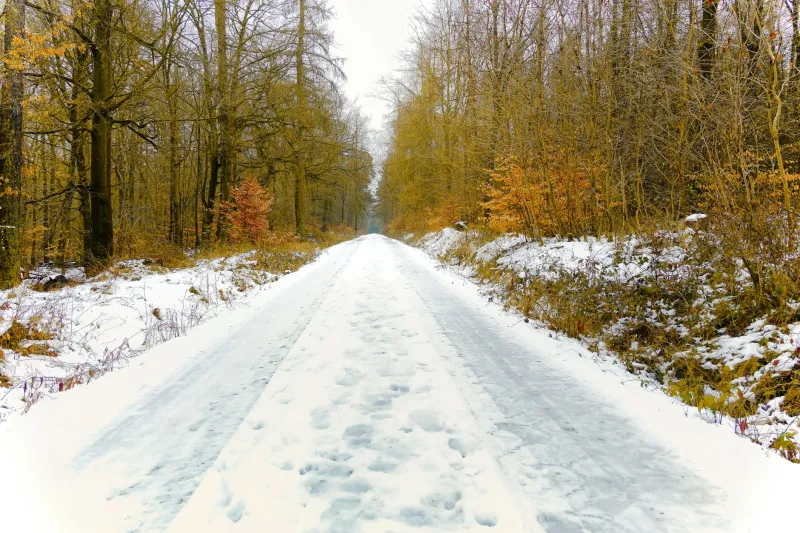
Somewhere right now, a trail that was absolutely mobbed with selfie-takers last August is sitting under six inches of fresh snow, completely empty, waiting. No permit lottery. No parking lot chaos. No line at the summit. Just you, the cold, and a version of the wilderness that most people will never bother to meet.
Winter exploration in America isn't a niche sport for hardcore mountaineers anymore. It's becoming a quiet revolution — one that's attracting a growing number of everyday adventurers who've simply gotten tired of sharing their favorite places with half the internet.
The Crowd Problem Has a Cold-Weather Solution
Let's be honest about what summer adventure has become in a lot of popular destinations. Zion National Park logged over 4.6 million visitors in 2023. The Appalachian Trail's most famous sections look like rush-hour foot traffic on a good weekend in July. Even so-called "hidden gems" get blown up the moment someone posts the coordinates on Reddit.
Winter quietly solves all of this.
The same trails that require advance reservations and a lot of patience from May through September become genuinely accessible the moment temperatures drop below freezing. Visitor counts at many national parks plummet by 60 to 80 percent in January and February. The infrastructure — campgrounds, ranger stations, shuttle systems — scales back, sure. But what you lose in convenience, you gain tenfold in solitude.
That trade-off is exactly what draws people like Marcus, a 34-year-old outdoor educator from Asheville, North Carolina, to winter hiking season year after year. "I did the Smokies in October once and it was beautiful but packed," he says. "I went back in January and felt like I had the whole mountain range to myself. That's when I actually understood why people fall in love with those mountains."
What Cold Does to a Landscape (It's Kind of Stunning)
Here's something the summer-only crowd is missing: winter fundamentally transforms the American wilderness into something that looks like nowhere else on Earth.
The Badlands of South Dakota, already dramatic, become genuinely otherworldly when dusted with snow against a steel-gray sky. The slot canyons of the Southwest glow differently in low winter light — longer shadows, more contrast, colors that seem almost saturated compared to the bleached-out look of high noon in August. Frozen waterfalls in places like Ouray, Colorado or Ricketts Glen State Park in Pennsylvania are, without exaggeration, some of the most visually striking things you can witness in this country.
Beyond the aesthetics, winter strips landscapes down to their bones. Without leaves on the trees, you can actually see the topography of eastern forests — the ridgelines, the creek beds, the rock formations that hide behind foliage for eight months of the year. Wildlife behaves differently too. Animal tracks tell stories in fresh snow. Elk and deer move closer to accessible areas. Bald eagles congregate near open water. Winter is, paradoxically, one of the best seasons for wildlife observation.
Getting Your Head Right for Cold-Weather Exploration
The biggest obstacle to winter adventure isn't gear. It's mindset.
Most people have been culturally conditioned to think of outdoor recreation as a warm-weather activity. The idea of voluntarily heading into freezing temperatures, shorter daylight windows, and potentially icy conditions triggers a kind of psychological resistance that has nothing to do with actual ability or fitness level. Plenty of people who would absolutely crush a winter hike never try it because the idea feels extreme.
It isn't. But you do have to approach it with intention.
Start with the mental reframe: cold is manageable when you're moving. The body generates significant heat during moderate physical exertion. The challenge isn't staying warm while hiking — it's managing your temperature during breaks and transitions. Learn to layer intelligently (moisture-wicking base, insulating mid-layer, wind and water-resistant shell), and you've solved 80 percent of the comfort equation.
Daylight is the other mental adjustment. Winter days are short, and that shapes everything about trip planning. Start earlier, build in more buffer time, and don't underestimate how quickly conditions can change once the sun drops. A trail that's perfectly manageable at 2 PM can feel like a different experience entirely at 4:30.
Finally, calibrate your ambition. Winter miles are slower miles. Ice, snow, and heavier packs (extra layers add weight) mean your pace will be reduced. Plan for it rather than fight it.
The Gear Reality Check
You don't need to spend a fortune to explore in winter. But you do need to be honest about a few non-negotiables.
Microspikes or traction devices are one of the best investments a winter hiker can make — they run between $30 and $80 and transform icy trails from genuinely dangerous to totally manageable. Waterproof boots rated for cold temperatures matter more than most people realize; cold, wet feet are miserable and can become a safety issue fast. And a solid pair of insulated gloves, not the thin running gloves you use in October, will make or break your experience.
Beyond the basics, navigation skills become more critical in winter. Trails can be obscured by snow, and landmarks look different. A downloaded offline map, a compass, and the confidence to use both are worth more than any gadget.
Where to Start: Winter Destinations Worth the Cold
If you're new to cold-weather exploration, a few destinations offer exceptional winter experiences without requiring technical mountaineering skills.
Acadia National Park, Maine is stunning in winter — frozen ponds, snow-covered carriage roads, and coastal views that are genuinely dramatic in a way summer crowds obscure. Great Sand Dunes National Park in Colorado gets a fraction of its summer visitors in winter, and the dunes against a snow-capped Sangre de Cristo backdrop is a scene worth the drive. Shenandoah National Park in Virginia offers accessible winter hiking along Skyline Drive with views that extend for miles once the leaves are gone.
For those ready to push further, Boundary Waters Canoe Area Wilderness in Minnesota offers winter camping and cross-country skiing in a silence so complete it's almost disorienting. And the North Cascades in Washington reward experienced winter explorers with landscapes that feel genuinely untouched.
The Quiet Reward
There's a particular feeling that comes with standing somewhere remarkable and having it entirely to yourself. It's not about exclusivity or elitism — it's about connection. When a place isn't crowded, you can actually hear it. You notice things. You slow down in a way that summer schedules and summer crowds don't always allow.
Winter hands you that feeling almost automatically. The cold is the filter. It keeps the uncommitted away, not because the wilderness is dangerous or unwelcoming, but because it requires a little more intention to show up.
And for adventurers who are genuinely hungry to explore — not just to check boxes, but to feel something real in the wild — that filter is exactly the point.
The trails are empty. The snow is fresh. The only question is whether you're going to be out there in it.