Wanderlust on Credit: The Hidden Price Tag of Living for the Next Adventure
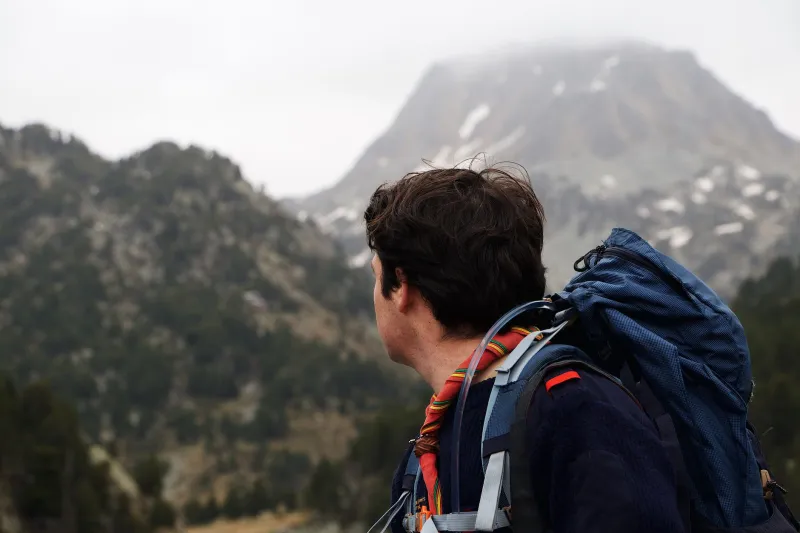
There's a moment every adventurer knows well. You're standing at a trailhead, pack on your back, coffee going cold in your hand, and the world feels completely, perfectly right. That feeling? Absolutely worth chasing. The $3,200 you spent getting there? That part's a little harder to justify when the credit card bill shows up two weeks later.
The adventure lifestyle has never been more popular — or more expensive. Between gear inflation, travel costs, and the quiet social pressure to one-up your last trip, a lot of Americans are discovering that wanderlust has a serious financial hangover. And nobody really talks about it.
The Gear Spiral Nobody Warns You About
It usually starts innocently enough. You buy a decent pair of hiking boots. Then you realize your rain jacket is garbage. Then someone in a trail forum tells you that your sleeping bag won't cut it below 40 degrees, and suddenly you're deep in a REI rabbit hole at midnight, justifying a $450 purchase because "it's an investment."
Outdoor gear has quietly become one of the most aspirational consumer categories in America. The industry topped $20 billion in annual sales, and brands have gotten extraordinarily good at making you feel like your safety — and your identity — depends on owning the latest and lightest. Ultralight backpacking culture especially has a way of turning a hobby into an expensive optimization game where shaving four ounces off your base weight can cost you several hundred dollars.
The gear spiral is real, it's seductive, and it can quietly drain your adventure fund before you've even left the driveway.
When Travel Inflation Hits the Wanderer Hardest
Flights are pricier. Gas hasn't exactly been gentle. National park entrance fees have climbed. Campsite reservations at popular spots now require the kind of planning — and sometimes the kind of cash — that used to be reserved for hotel bookings.
For a lot of adventure travelers, the math has shifted dramatically in just a few years. A long weekend in the Tetons that once cost $400 all-in can now run double that without any obvious splurges. Add a guided experience, a gear rental, or a last-minute flight to somewhere with better weather, and you're looking at a trip that quietly broke your monthly budget.
The problem isn't just cost — it's expectation creep. Once you've done the Grand Canyon, a state park hike can feel underwhelming. Once you've camped in the Rockies, your local forest feels like a consolation prize. The adventure bar keeps rising, and so does the price of clearing it.
The Instagram Effect Is Very Real (and Very Expensive)
Let's be honest about something: social media has fundamentally changed why a lot of people travel. There's nothing wrong with wanting to share incredible experiences — that's genuinely human. But there's a difference between documenting a trip you took and engineering a trip around what it'll look like documented.
The pressure to have an aesthetically worthy adventure is subtle but powerful. It nudges people toward more remote, more dramatic, more shareable destinations — which tend to be more expensive to reach, more gear-intensive to handle, and more crowded with other people chasing the same shot. It's an expensive feedback loop dressed up as inspiration.
Some adventurers are quietly burning through savings trying to keep up with a highlight reel curated by people who are either sponsored, independently wealthy, or also quietly burning through savings.
The Emotional Cost That Doesn't Show Up on a Statement
Financial stress and adventure don't mix well. There's something corrosive about standing on a beautiful ridge and doing mental math about whether you can afford to eat out when you get home. The trip you stretched too thin to take stops being restorative and starts feeling like a problem you're temporarily escaping.
Beyond the money, there's a subtler emotional toll: the feeling that you're never quite doing enough. That the trip was good, but the next one needs to be better. That your adventures don't count unless they're sufficiently extreme or sufficiently far away. That restlessness isn't always wanderlust — sometimes it's anxiety with better scenery.
Chasing experiences can become its own kind of treadmill if you're not paying attention.
Sustainable Adventure Isn't a Compromise — It's a Strategy
Here's the thing: the best adventures most people have had weren't necessarily the most expensive ones. They were the ones where something unexpected happened, where they were genuinely present, where the stakes felt real and the company was right.
Building a sustainable adventure life means getting honest about what you actually need versus what the industry (and your feed) tells you that you need. A few frameworks that actually work:
Buy gear for the trips you take, not the trips you imagine. That ultralight titanium kit is incredible for thru-hikers. If you do three weekend trips a year, mid-range gear serves you just as well and costs a fraction of the price. Rent before you buy. Borrow from friends. Check out used gear marketplaces like GearTrade or your local REI garage sale.
Rediscover proximity. Some of the most underrated adventures in America are within a two-hour drive of wherever you're sitting right now. State parks, national forests, BLM land — there's an enormous amount of accessible wildness that doesn't require a flight or a reservation made six months out. The adventure is there. The expectation that it needs to be far away is the problem.
Budget for adventure like it's a utility, not a luxury. Set a monthly amount — even something modest like $75 or $100 — that's specifically for experiences. It creates permission to spend without guilt and forces you to be creative when the fund runs low.
Separate the experience from the documentation. Go somewhere that doesn't have great cell service. Leave the camera in the bag for a few hours. Some of the best adventures are the ones that live entirely in your memory rather than your camera roll.
The Real Currency of Exploration
Wanderlust is one of the best things about being alive. The urge to see what's around the next bend, to sleep somewhere unfamiliar, to test yourself against terrain that doesn't care how comfortable you are — that's genuinely worth protecting and nurturing.
But it's worth asking, every now and then, whether you're feeding that urge or just feeding the machine built around it. The adventure industry, the gear brands, the travel influencers — they all profit from your restlessness. That doesn't make them villains, but it does mean the pressure to spend more, go farther, and do bigger things is never entirely neutral.
The explorers who seem to get the most out of this lifestyle aren't the ones with the biggest budgets or the most impressive trip lists. They're the ones who've figured out what actually fills them up — and who've stopped paying premium prices for things that don't.