You Made It Back. So Why Does Home Feel Like the Wrong Address?
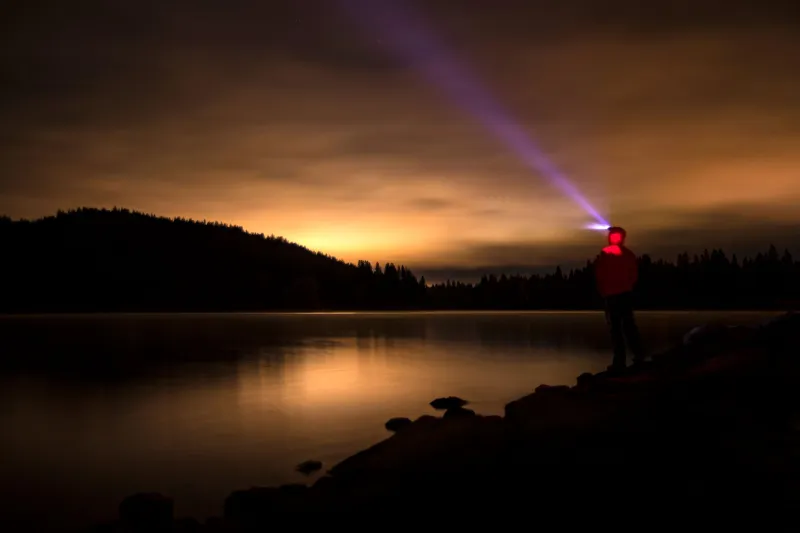
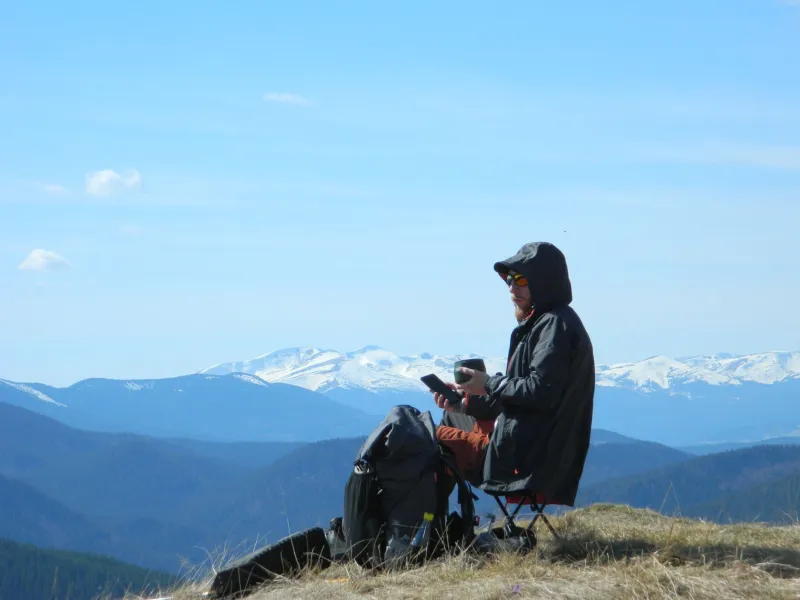
You spent two weeks in the backcountry. You carried everything you needed on your back, navigated by the stars, and had exactly zero notifications for eleven days straight. You came home sunburned, a little thinner, and genuinely proud of yourself.
Then Monday happened.
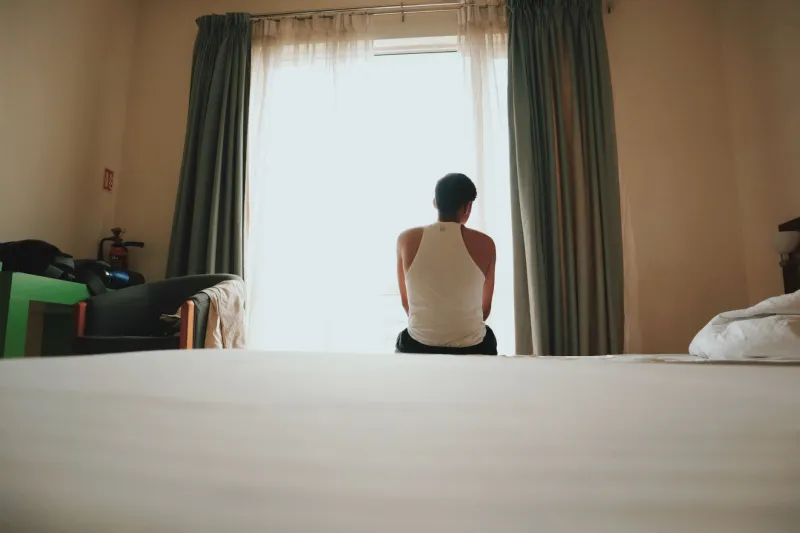
The commute. The inbox. The small talk about weekend plans that feel absurdly small compared to what you just lived through. And somewhere around day three back at your desk, a quiet but unsettling thought surfaces: Who is this person sitting in this chair, and what happened to the one who was just standing on that ridge?
This is the adventure hangover — and it hits a lot harder than most people are willing to admit.
It's Not Just About Missing the Mountains
Let's get one thing clear right away. What we're talking about here isn't simple nostalgia. It's not just wishing you were still out there eating trail mix and filtering creek water. That's normal. That's fine. That passes.
What's harder to shake is the identity gap — the space between who you became out there and who you're expected to be back here.
Intense outdoor experiences have a way of stripping things down. When you're navigating a technical canyon in Utah or pushing through mile 18 of a solo thru-hike in the Smokies, you find out pretty quickly what you're actually made of. The self-doubt, the problem-solving, the raw satisfaction of figuring things out with your own two hands — all of it adds up to something that feels deeply, uncomfortably real.
And then you come home and someone asks you to sit through a 45-minute meeting about quarterly projections.
The contrast isn't just jarring. For a lot of people, it quietly cracks something open.
The Identity Mismatch Nobody Talks About
Psychologists who study peak experiences — moments of intense clarity, connection, or competence — have long noted that returning to ordinary life afterward can trigger something that looks a lot like grief. Not grief for the place, exactly, but grief for the version of yourself that existed there.
Out on a long trail or a multi-day river trip, you operated differently. You made decisions with real stakes. You were fully present because you had to be. You probably surprised yourself at least once.
Back home, the stakes feel manufactured and the presence feels impossible. Your coworkers don't know what you just did, and explaining it always comes out sounding smaller than it was. Your routines, which used to feel comfortable, now feel like a costume you're not sure belongs to you anymore.
This is the part nobody puts in the trip recap on Instagram. The part that happens at 11pm on a Tuesday when you're scrolling through your trail photos and wondering why you can't just feel like that all the time.
Why Chasing Another High Isn't the Answer
Here's where a lot of adventurers go sideways. The gap feels bad, so the obvious fix seems like booking the next trip as fast as possible. Another summit. Another river. Another fix.
And look — there's nothing wrong with planning your next adventure. That's kind of the whole point of being alive. But if every trip is a way of escaping the discomfort of being home rather than a genuine desire to explore, you're not really integrating anything. You're just postponing the reckoning.
The adventure hangover doesn't go away with more adventure. It goes away when you do the slower, less glamorous work of figuring out what the trail actually taught you and how to carry it forward.
Practical Ways to Bridge the Gap
Write it down before it fades. Not a highlight reel — an honest account. What were you afraid of? When did you surprise yourself? What did you learn about how you handle discomfort? The insights from a hard trip have a short half-life once you're back in your regular environment. Capture them while they're still sharp.
Find one thing to change. Not everything. Just one. Maybe it's waking up earlier to spend time outside before work. Maybe it's saying no to the things that feel most hollow. Maybe it's having a conversation you've been avoiding. The point is to let the experience actually move something, instead of just being a memory you visit.
Stop trying to explain the trip. Seriously. The people who weren't there probably can't fully get it, and that's okay. You don't need external validation of what you experienced. Chasing that validation is part of what makes the re-entry feel so frustrating.
Rebuild slowly, not all at once. Some adventurers come home and immediately try to blow up their entire lives — quit the job, sell the stuff, go full nomad. Sometimes that's the right call. A lot of times it's an overcorrection driven by the discomfort of transition rather than a clear-eyed decision. Give yourself a few weeks before making any big moves.
Get outside locally, consistently. You don't need to be in a national park to feel connected to what you found out there. A regular early morning run on a greenway, a weekend camping trip two hours from home, a hiking group that meets on Saturdays — these small, consistent doses of outdoor time help maintain the thread between who you are out there and who you're trying to be everywhere else.
The Real Point of Coming Home
Here's the thing about every great adventure: it was always supposed to end. The trail has a trailhead. The river has a takeout point. You were never meant to live out there permanently — and if you were honest with yourself, you probably don't actually want to.
What you want is to bring something back. That's the whole deal. You go out, you discover something about yourself, and then you figure out how to live differently because of it. That's what separates exploration from escapism.
The adventure hangover is real, and it's uncomfortable, and it's also a sign that something meaningful happened out there. The discomfort isn't a problem to solve. It's a signal worth listening to.
You found something on that trail. Now comes the harder part — deciding what to do with it.